


If you’re deciding between WordPress and Wix, the real question isn’t which platform is easier to use. Which one gives your business the best chance to rank in search results and generate consistent leads over time?
Both platforms can support basic SEO. Wix has improved significantly, and WordPress has long been known for flexibility. But as your website grows and competition increases, the differences between the two become much more important. In a competitive market like Denver, those differences can directly impact how visible your business becomes online.
The short answer: Wix can handle basic SEO for smaller websites, but WordPress is built for long-term growth, scalability, and control. If your goal is to generate leads and expand your visibility over time, WordPress is typically the better investment.
What SEO Actually Requires (And Why Platform Matters)

Search engines rank websites based on content quality, site structure, performance and speed, and technical optimization. Wix supports many core SEO features, including meta tags, redirects, and structured data. But having access to features is only part of the equation. The real difference is how much control you have — and how well your site can scale as your strategy evolves. Google outlines how content, structure, and usability impact rankings in its SEO starter guide.
WordPress for SEO: Built for Control and Scalability

WordPress gives you full control over URL structure, internal linking, metadata, site hierarchy, and structured data. This level of control allows you to build a structured, scalable SEO strategy rather than working within platform limitations. Many businesses investing in WordPress web design in Denver do so because they need a platform that can grow alongside their content and search visibility.
Why This Matters
As your site expands, SEO becomes more complex. You may need to target multiple services, target multiple locations, build content clusters, and refine internal linking. WordPress allows you to do all of this without restriction.
Real-World Insight
We’ve worked with businesses that started on Wix and eventually migrated to WordPress after running into limitations with scaling their content and improving search visibility. Once rebuilt on a custom WordPress website built for SEO, they were able to expand their content strategy, improve rankings, and generate consistent organic leads. The difference wasn’t design — it was control.
Wix for SEO: Where It Works and Where It Doesn’t
Wix is designed for simplicity, and for certain use cases that genuinely works well. Wix has improved its built-in SEO tools significantly over the past few years — you can set meta titles and descriptions, add alt text, create 301 redirects, submit sitemaps, and implement basic structured data. For a straightforward local business site with a handful of pages and low competition, it can get the job done.
Where Wix Starts to Limit SEO
The limitations become noticeable as your business grows. Wix offers less flexibility for advanced technical SEO, custom site architecture, and large-scale content expansion. Its framework is more controlled compared to WordPress, which means your site may not evolve as easily as your SEO strategy requires. URL structure customization is restricted, crawl behavior is harder to manage at scale, and the plugin ecosystem is far more limited than what WordPress offers. If you’re competing in a real market — especially a dense local one like Denver — those constraints add up.
Performance and Technical SEO
Website performance plays a growing role in rankings. Metrics like Core Web Vitals measure site speed and user experience, both of which directly influence where you rank. WordPress gives you more control over your hosting environment, caching, and performance optimization. Wix simplifies these elements but limits how far you can push them, since the hosting infrastructure is shared and not configurable.
WordPress vs Wix for Local SEO in Denver
Local SEO adds another layer of complexity. In a market like Denver, ranking often requires location-based pages, consistent content expansion, and strong internal linking. Businesses competing locally benefit from a WordPress website where site structure and scalability are built in from the start — not bolted on later when growth demands it.
The Real Cost of Choosing the Wrong Platform
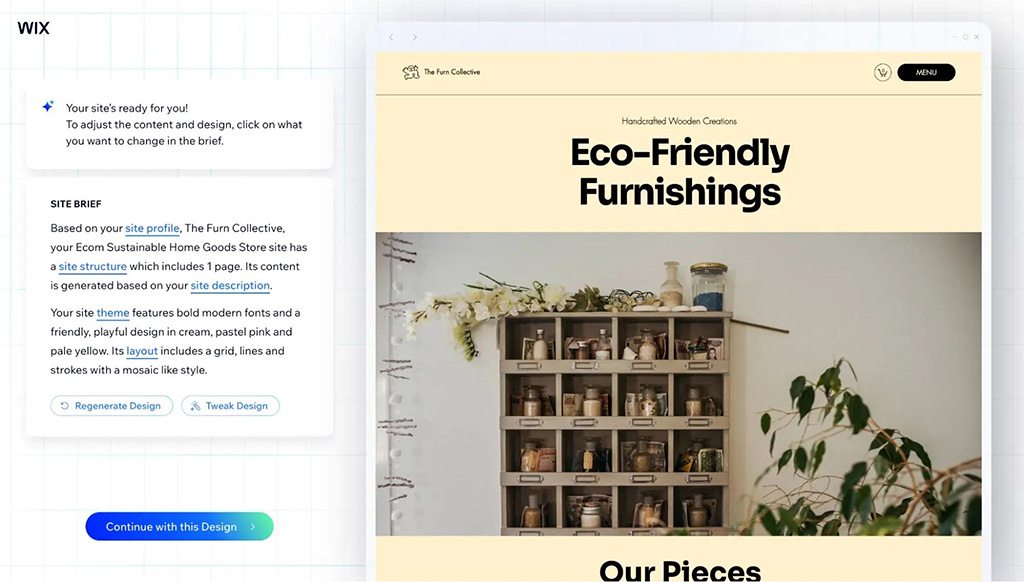
Choosing the wrong platform isn’t just a technical decision — it’s a strategic one. Wix is often chosen because it’s fast and easy. But if your business grows and your site can’t keep up, you may need to rebuild entirely. We regularly see businesses that start on Wix, hit a growth ceiling, and rebuild on WordPress. That second build often costs more than doing it right the first time.
When Wix Makes Sense
One factor that’s easy to overlook when evaluating platforms is the actual cost of ongoing ownership. WordPress requires active maintenance — core updates, security monitoring, backups, and performance optimization. Once you’ve made the switch, understanding what WordPress maintenance costs and what’s included in a typical plan helps you budget accurately and avoid surprises down the road.
Wix makes sense if you need a simple site quickly, SEO isn’t a major priority, or your competition is low. It’s not a bad platform — it’s just not built for long-term SEO scalability.
When WordPress Is the Better Choice
WordPress is the better option if you want to generate leads from search, plan to expand your content, or are competing in a real market. For a broader breakdown of how platforms compare, take a look at our WordPress vs Squarespace vs Wix vs Webflow comparison.
Final Verdict: WordPress vs Wix for SEO

For businesses focused on long-term growth, visibility, and lead generation, WordPress consistently proves to be the stronger platform. It offers the flexibility, scalability, and control needed to compete — not just today, but as your business evolves.
Frequently Asked Questions
What is the best website platform for Denver businesses?
For most Denver businesses focused on SEO and growth, WordPress is the strongest option due to its flexibility and scalability.
Is WordPress better than Wix for SEO?
WordPress generally provides more control over SEO elements and allows businesses to scale their content strategy more effectively.
Can I switch from Wix to WordPress later?
Yes, but migrations should be handled carefully to preserve rankings, traffic, and site structure.
Which platform is best for long-term growth?
WordPress is typically the best choice for long-term growth because it allows you to expand and optimize without major limitations.
Still Not Sure Which Platform Is Right?
Choosing the right platform isn’t always straightforward—especially when you’re balancing budget, timeline, and long-term growth.
If you’re evaluating your options, it often helps to view your website as part of a broader strategy rather than just a design decision.
You can explore our WordPress web design in Denver services to see how we build websites that are designed to rank, scale, and generate leads over time.