


Picture walking into a store where the shelves rearrange themselves based on your preferences, where the lighting adjusts to your mood, and where every product seems to whisper exactly what you need to hear. That’s essentially what modern e-commerce design is trying to achieve—minus the whispering part, though voice interfaces are getting there. After spending the better part of a decade watching online stores evolve from clunky catalogs to sophisticated digital experiences, I’ve noticed something peculiar: the best trends aren’t always the flashiest ones.
The Psychology Behind the Pixels
Let me share something that took me years to fully grasp. E-commerce design isn’t really about making things pretty—it’s about understanding the split-second decisions happening in a shopper’s brain. Website design is responsible for over 90% of the first impression of a brand. When someone lands on your site, their subconscious is running a complex algorithm: Can I trust this? Is this worth my time? Will this solve my problem?
The most successful online retailers in 2024 are those who’ve cracked this code. They’re not just following trends; they’re responding to fundamental shifts in how we process information online. Take, for instance, the rise of what I call “breathing room design.” You know those websites where everything feels cramped, like a digital version of a discount store with products piled to the ceiling? Yeah, those are dying faster than dial-up internet.
Modern e-commerce design embraces space as if it were a luxury commodity. White space—or negative space, if you want to sound fancy at dinner parties—has become the silent salesperson. It guides your eye, creates hierarchy, and most importantly, it doesn’t overwhelm. I’ve seen conversion rates jump 20-30% just by giving products room to breathe. Aligning these design trends with your company’s brand identity ensures your website reflects your brand’s unique character and builds trust with visitors.
Mobile-First Isn’t Just a Buzzword Anymore
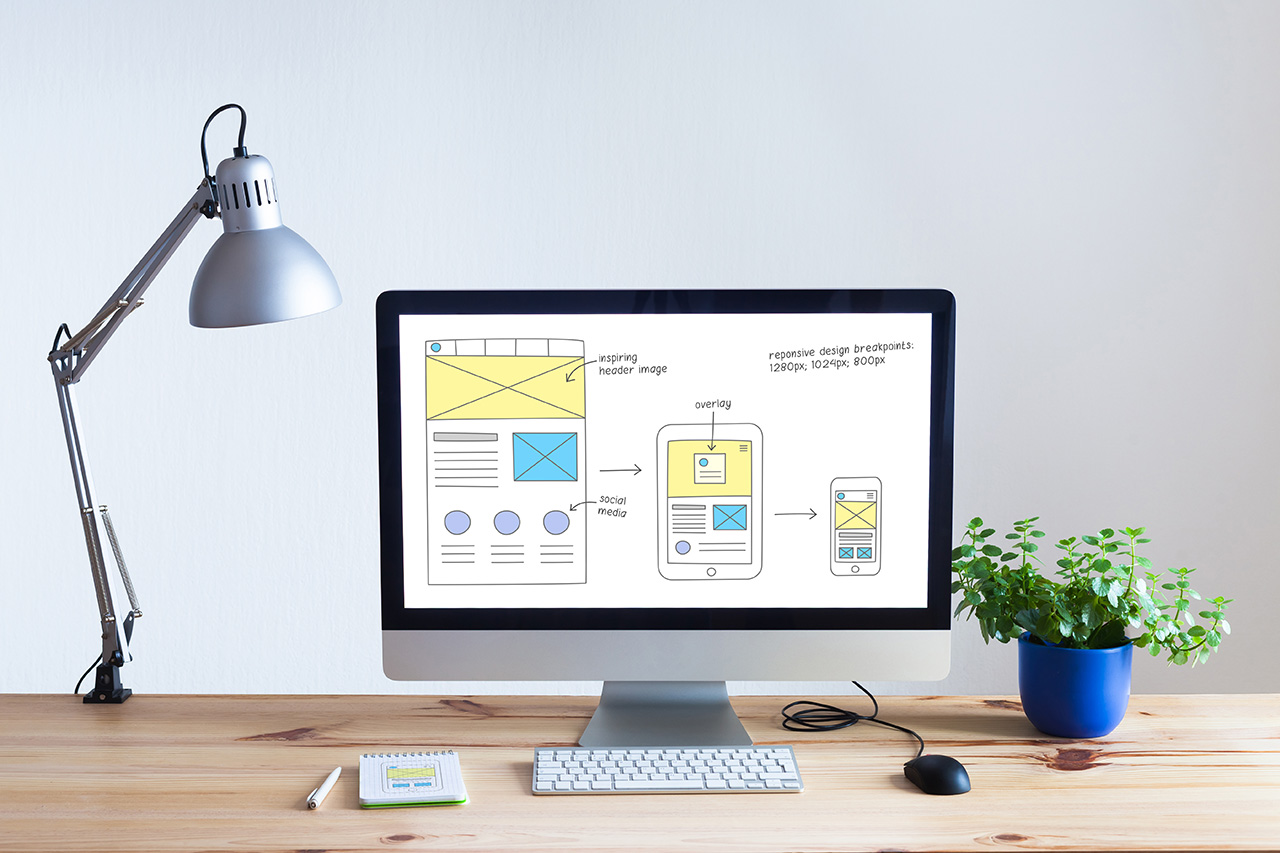
Here’s a confession: I used to roll my eyes when people talked about mobile-first design. It felt like one of those corporate mantras that everyone repeats, but nobody really understands. Then I checked my own analytics. Holy smokes. Nearly 70% of my clients’ traffic was coming from mobile devices, but their mobile experience was an afterthought—like trying to squeeze a watermelon through a keyhole.
The shift isn’t just about making things fit on smaller screens. It’s a complete reimagining of the shopping journey. Thumb-friendly navigation has become an art form. Those hamburger menus we all got sick of? They’re evolving into more intuitive gesture-based systems. Swipe to add to cart. Pull down to refresh. Pinch to zoom on product images that actually load fast enough to make it worthwhile.
But here’s what really gets me excited: progressive web apps (PWAs) are blurring the line between websites and native apps. They’re fast, they work offline, and they don’t require a trip to the app store. For smaller e-commerce players, this is like David getting a rocket launcher instead of a slingshot.
The Personalization Paradox
Now, let’s talk about something that makes me a bit uncomfortable: hyper-personalization. On one hand, showing customers exactly what they want based on their browsing history is brilliant. It’s like having a personal shopper who knows your size, style, and that weird obsession with vintage typewriters.
On the other hand, there’s a creepy factor we need to acknowledge. I’ve worked with brands that went too far, creating experiences so personalized that customers felt stalked rather than served. The sweet spot? Personalization that feels helpful, not invasive. Think Netflix recommendations, not “we noticed you looked at this product for 3.7 seconds.”
The technical side of this is fascinating. Personalization through AI enhances user experience by tailoring shopping experiences to individual user preferences. AI-powered personalization uses customer data to tailor shopping experiences, and AI-driven solutions enhance engagement and loyalty in e-commerce web design. Machine learning algorithms are getting scary good at predicting what you’ll buy next, and AI can even adjust layouts and fill pages with appropriate products to improve interaction at critical touchpoints. Personalized experiences create stronger connections with customers, making them feel valued and understood. But the best implementations I’ve seen add a human touch. They might say something like “Based on your interest in sustainable products…” rather than “We’ve been watching you, and here’s what you’ll buy next.”
Visual Search and AR: The Future is Already Here
Remember when typing was the only way to search? Those days are numbered. Visual search is transforming how we shop online, and honestly, it’s about time. Why describe a “mid-century modern coffee table with hairpin legs” when you can just upload a photo?
Pinterest pioneered this with their Lens feature, but now everyone’s jumping on board. Google Lens, Amazon’s StyleSnap—they’re all racing to perfect the “see it, search it, buy it” experience. For e-commerce sites, this means optimizing product images isn’t just about looking good; it’s about being findable. Traditionally, static product images were the norm, but now dynamic visuals like 360-degree product views and AR elements are taking center stage. 360-degree product views enhance the online shopping experience by allowing customers to see products from all angles, which helps build confidence in purchasing decisions.
And then there’s augmented reality. I’ll admit, I was skeptical when AR first started appearing in e-commerce. It felt gimmicky, like those QR codes everyone pretended to love but nobody actually used. But something shifted. Maybe it was the pandemic forcing us to shop from home, or maybe the technology finally caught up to the promise.
IKEA’s Place app lets you see exactly how that Billy bookcase will look in your living room. Warby Parker lets you try on glasses virtually. Sephora’s Virtual Artist helps you test makeup without the mess. These aren’t just cool features—they’re solving real problems. Returns are expensive for everyone involved, and AR is cutting those rates dramatically. Immersive AR experiences can boost conversion rates by up to 94% by reducing buyer uncertainty.
The Speed Obsession
Let’s get real for a moment. We’ve become insufferably impatient. If a page takes more than three seconds to load, we’re out. It’s not personal; it’s just how our brains have been rewired. This has pushed speed optimization from “nice to have” to “absolutely critical.”

The technical solutions are evolving rapidly. Lazy loading ensures images only load when you scroll to them. Content delivery networks (CDNs) serve your site from servers physically closer to your customers. But my favorite trend is the return to simplicity. Some of the fastest-loading sites I’ve seen recently have stripped away all the unnecessary JavaScript gymnastics and focused on clean, efficient code.
There’s a philosophical shift happening. Instead of asking “What can we add?” smart designers are asking “What can we remove?” Every element needs to earn its place on the page. That spinning carousel of featured products? Unless it’s driving serious conversions, it’s just slowing things down.
Dark Mode and Accessibility
Dark mode started as a battery-saving feature and a way to reduce eye strain. Now it’s become an aesthetic choice, and e-commerce sites are taking notice. But here’s the thing—implementing dark mode properly is harder than just inverting colors. Product photography needs to work in both modes. Text contrast ratios need careful consideration. Some brands are creating entirely different visual identities for their dark mode experiences.

This ties into a larger trend that honestly should have happened years ago: genuine accessibility. We’re finally moving beyond the bare minimum of alt text and into thoughtful, inclusive design. Keyboard navigation that actually makes sense. Color schemes that work for colorblind users. Font sizes that don’t require a magnifying glass.
The business case for accessibility is compelling. The disability market represents over $13 trillion in annual disposable income globally. But beyond the numbers, there’s something deeply satisfying about creating experiences that work for everyone. It’s good design, period.
Micro-Interactions and Delight
You know that little heart animation when you like something on Instagram? That’s a micro-interaction, and they’re everywhere in modern e-commerce design. These tiny moments of feedback and delight might seem trivial, but they’re secretly doing heavy lifting for user engagement.
The best micro-interactions I’ve seen recently are subtle but meaningful. A shopping cart that does a little bounce when you add an item. A progress bar that celebrates when you qualify for free shipping. A product image that smoothly zooms on hover without jarring the entire page layout. Micro-animations improve user interaction by providing subtle feedback and making navigation more enjoyable. Vibrant gradients and other visual elements can also guide users’ attention to interactive components such as CTAs and navigation, integrating design with functionality for a more engaging experience.
But—and this is crucial—restraint is key. I’ve seen sites go overboard, turning every click into a fireworks show. The goal is to enhance the experience, not distract from it. Think of micro-interactions as seasoning, not the main course.
The Trust Factor
Here’s something that keeps me up at night: trust is harder to build online than ever before. With data breaches making headlines and fake reviews running rampant, customers are rightfully skeptical. The design trends addressing this are subtle but powerful.
Social proof has evolved beyond simple star ratings. User-generated content, especially photos and videos from real customers, carries more weight than any marketing copy. Smart brands are building this into their design systems, creating dedicated spaces for authentic customer stories.
Security badges and trust signals are getting more sophisticated. Instead of plastering every possible certification on the checkout page, the trend is toward contextual reassurance. Payment security appears when you enter your card details. Return policy highlights show up on product pages. Privacy information is actually readable, not buried in legal jargon. Personalized navigation and menu options are also being used to address customer concerns by guiding shoppers more effectively and providing tailored product suggestions based on individual needs or pain points.
Sustainability in Design
This might be my personal bias showing, but I’m thrilled to see sustainability becoming a design consideration. Sustainable web design emphasizes environmentally conscious practices, reducing digital carbon footprints, and integrating eco-friendly choices into every aspect of web development. It’s not just about selling eco-friendly products; it’s about creating digital experiences that reflect environmental values. Sustainable practices in web development also align with consumer expectations, social responsibility, and branding in the evolving digital landscape of 2026.
This manifests in interesting ways. Some sites are calculating and displaying the carbon footprint of shipping options. Others are using design to promote product longevity—showing repair guides, highlighting durability, encouraging conscious consumption over impulse buying.
There’s also a movement toward “digital sustainability”—optimizing code and images to reduce server load and energy consumption. It’s a small impact individually, but at scale, it matters. Plus, these optimizations usually improve performance, so everybody wins.
Voice Commerce and Conversational UI
“Hey Alexa, order more coffee.” Voice commerce is still finding its footing, but the implications for design are profound. How do you create a visual brand experience when there’s no visual component? How do you browse when you can’t see the options?
The answer seems to be hybrid experiences. Voice initiates the interaction, but screens provide the visual confirmation. Conversational UI elements—chatbots and virtual assistants that don’t make you want to throw your computer out the window—are bridging the gap. Virtual assistants and chatbots enhance customer satisfaction by providing quick, responsive support and improving overall interaction experiences between businesses and consumers. Voice-activated interfaces are also becoming more prevalent and are starting to be integrated into websites, although they are not yet common across most websites.
I’ve been particularly impressed by implementations that feel genuinely conversational. They remember context, understand natural language, and know when to hand off to a human. The best ones feel less like talking to a robot and more like texting with a knowledgeable friend.
Flexible Payment Options and Security
Let’s face it: nothing kills the thrill of online shopping faster than a clunky checkout or a payment method that feels like it belongs in a museum. In 2026, one of the top web design trends is all about giving customers what they want—flexibility and peace of mind at the point of purchase. E-commerce websites that offer a buffet of payment options—think credit cards, digital wallets, and buy-now-pay-later services—aren’t just keeping up with the times; they’re actively boosting user satisfaction and conversion rates, especially among mobile users who expect speed and convenience.
But it’s not just about slapping a few extra buttons on your checkout page. The latest web design trends call for a seamless user experience, where responsive design ensures every payment option looks and works beautifully on any device. Micro animations and interactive elements are making the payment process more engaging, guiding users with subtle cues and reducing the dreaded cart abandonment. A little bounce here, a reassuring checkmark there—these design elements might seem small, but they can make the difference between a completed purchase and a lost sale.
Of course, with great flexibility comes great responsibility. As e-commerce sites collect more customer data and offer more ways to pay, security becomes non-negotiable. Modern web designers are weaving trust signals directly into the user journey: SSL certificates, security badges, and clear, above-the-fold return policies all work together to reassure even the most cautious shoppers. Transparent communication about privacy and security isn’t just a nice-to-have—it’s a must for building customer loyalty and driving online sales.
The mobile-first approach is more relevant than ever, with mobile shopping dominating website traffic. E-commerce brands are designing for mobile devices first, ensuring that payment flows are visually appealing, intuitive, and lightning-fast. And as design trends for 2026 continue to evolve, features like dark mode, augmented reality, and voice search are making the payment experience even more immersive and accessible. Imagine confirming a purchase with a voice command or visualizing your new sofa in your living room before you even hit “buy”—these aren’t futuristic fantasies, they’re the new normal for e-commerce web design.
Ultimately, the most significant benefits come from understanding user behavior and preferences. By analyzing customer feedback and leveraging data, web designers can fine-tune every aspect of the payment process, creating personalized, secure, and engaging experiences that keep customers coming back. In the fast-paced world of e-commerce, staying ahead means embracing flexible payment options, prioritizing security, and always putting the user journey at the heart of your web design strategy. To thrive in this competitive landscape, adopting ecommerce solutions for Denver businesses is essential. These tailored approaches not only enhance user satisfaction but also boost conversion rates by addressing local market needs. As businesses leverage advanced technologies and customer insights, they position themselves for sustainable growth and lasting success.
The Bottom Line
After all this talk about trends, here’s my honest take: the best e-commerce design is invisible. It doesn’t draw attention to itself. It doesn’t make you think about the interface. It just works, guiding you smoothly from interest to purchase without friction or frustration.
The trends that stick around are those that solve real problems. Speed matters because waiting sucks. Personalization works when it’s helpful, not creepy. AR succeeds when it answers the question “Will this work for me?”
As I look at where e-commerce design is heading, I’m optimistic. We’re moving past the era of copying whatever Amazon does and into a time of genuine innovation. Smaller brands can compete on experience, not just price. Technology is enabling creativity, not constraining it.
The future of e-commerce design isn’t about following every trend. It’s about understanding your customers deeply and using these tools to better serve them. Whether that means embracing AR try-ons or sticking with simple, fast-loading product pages depends entirely on who you’re designing for.
One thing’s for certain: the pace of change isn’t slowing down. By the time you finish reading this, there’s probably a new JavaScript framework claiming to revolutionize everything. But the fundamentals remain constant: respect your users’ time, solve their problems, and create experiences that feel effortlessly human.
That’s the real trend worth following.